Navigating Airline Co-Branded Cards vs. Flexible Point Cards for Family Travel
The "Sure Thing" vs. The "Maybe Masterpiece"

Let's be real. Family travel is stressful enough without wondering if your points are going to work. You're not booking a solo last-minute deal to Lisbon. You're moving an army of tiny, impatient humans with specific school holidays. This is where the credit card choice gets truly brutal. Do you want the "sure thing" or do you want to chase the "maybe masterpiece"? The airline card promises one path: their planes, their seats. The flexible points card promises a thousand paths… if you can figure them out. Let's cut through the marketing.
The Airline Card: Simple, Stubborn, and Sometimes Perfect
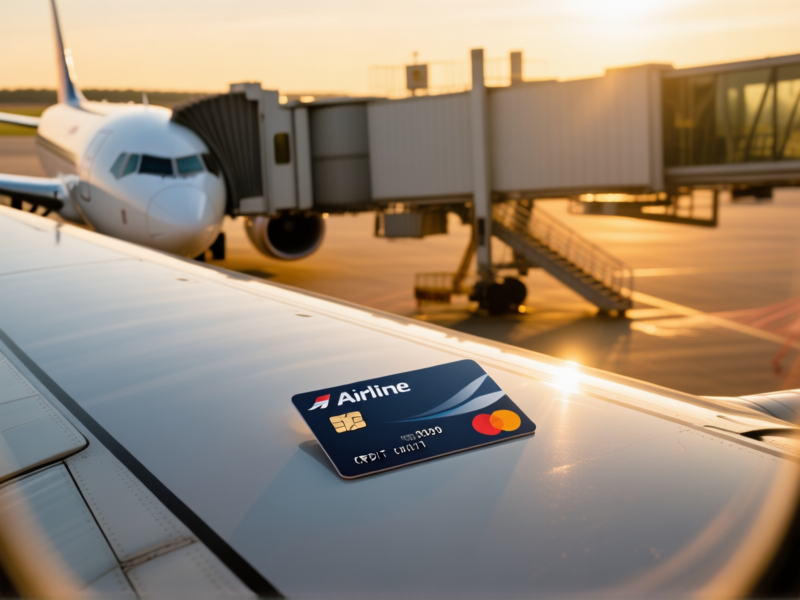
You know exactly what you're getting here. It's straightforward. Spend, earn miles specifically for Delta, American, United, etc. Use them to book seats on, you guessed it, that airline. The math is simple. The perks are tangible: a free checked bag for the whole family is a godsend that saves you hundreds in fees and sanity. Priority boarding? Getting your clan settled before the stampede is priceless. But here's the thing: you're married. You're locked into that airline's route network, their award ticket availability (which can be terrible), and their devaluation whims. If they decide your 80,000-mile flight now costs 120,000 miles tomorrow, you're just stuck. It's a direct relationship. For good and for ill.
The Flexible Points Ecosystem: Your Universal Key (If You Have the Map)
This is the other side of the coin. Cards like Chase Sapphire or Amex Gold don't give you airline miles. They give you "currency" – Ultimate Rewards points, Membership Rewards points. Think of them as the central bank of your travel world. You then *transfer* these points, usually 1:1, to actual airline or hotel partners. Need to fly to Tokyo? Transfer to United. Or maybe ANA has a better deal? Transfer there. Your home airport is a Delta fortress? Transfer to Virgin Atlantic to book Delta seats. See the power? You're not locked in. You hunt for the best deal across a dozen airlines. But. And it's a big but. This requires research. It requires understanding transfer partners, sweet spots, and award charts. It's not "click and book." It's a strategy game.
The Family Travel Stress Test
Now, apply both to a family of four. With an airline card, you might earn enough for one domestic ticket per year from everyday spend. The bag fees you save might cover the card's annual fee. The goal is incremental, predictable relief on your regular travels. With flexible points, you're playing the long game. You're pooling all your spending—groceries, gas, streaming—into one mighty points hoard. Then, when it's time for that big Disney World or Europe trip, you unleash it all at once, transferring to whoever has 4 award seats. The airline card is about consistent, small wins. The flexible card is about funding the big, memorable vacation that would otherwise break the bank.
So, Which One's For You? (Be Brutally Honest)
Ask yourself these questions. Do you live in a city dominated by one major airline (Atlanta/Delta, Charlotte/AA)? Does your family always fly back to one specific hometown airport? If yes, the co-branded card's simplicity is incredibly compelling. Its value is easy to see and realize. Now, the other questions. Do you hate being locked into one brand? Are you willing to spend a few hours learning about transfer partners to potentially double the value of your points? Does the idea of booking a business class seat to Europe for 60,000 points instead of 120,000 get you excited? If yes, you're a flexible points person. For most families, the best answer is often "both." Use the airline card for the bag fee waiver and priority boarding on your routine flights. Use a flexible points card for everything else, building a stockpile for the dream trip. You're not choosing a side. You're building a toolkit.