The 5-Minute Credit Score Check Before You Apply for a Travel Card
Don't Go In Blind: Why This 5-Minute Check Saves You Pain

Here's the truth: applying for a travel card without knowing your score is like booking a flight without checking the price. You're just hoping for the best. And hope is a terrible financial strategy. The best cards—the ones with the fat sign-up bonuses and lounge access—aren't playing around. They have standards. Spend 5 minutes now, or spend months regretting a hard inquiry that dinged your score for nothing. Your call.
Soft Pull vs. Hard Pull: The Magic Word is "Pre-Approval"
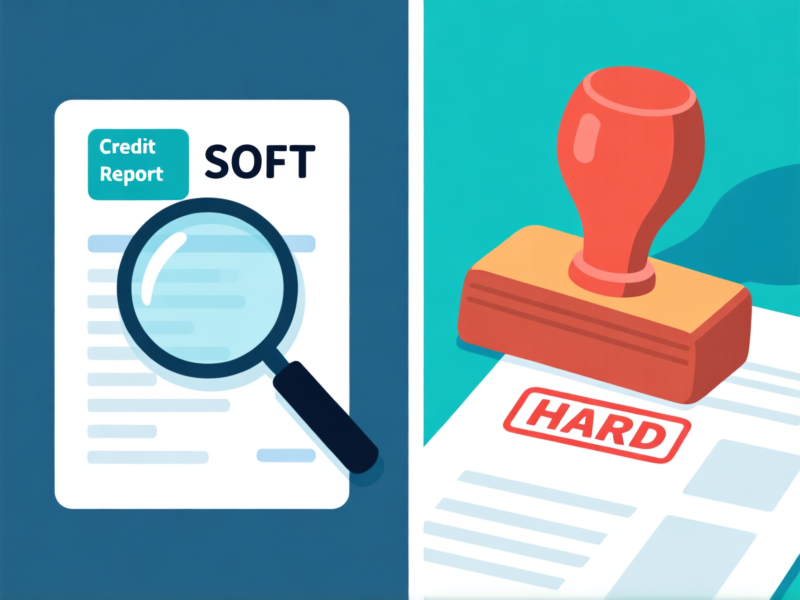
This is the most important part. When you *check* your own score, it's a "soft pull." It's a peek. No one else sees it, and it doesn't hurt your score. At all. When you officially *apply* for a card, that's a "hard pull." That's a formal investigation. That leaves a mark. The game is to use soft pulls to find cards you're likely to get. That's what "pre-approval" tools are for. They use a soft pull to give you a yes/no/maybe. It's the ultimate cheat code.
Your 5-Minute Action Plan: Where to Look & What to Click
Stop overcomplicating it. You likely already have access. Log into your current bank's app or website—most offer free FICO or VantageScore updates. No? Use a free service like Credit Karma or Experian. Don't get bogged down in which score model it is; just get the ballpark. Once you're in, look for a section called "Credit Card Offers," "Pre-Qualified Offers," or "See Your Matches." Click that. It's usually powered by soft pulls. Follow the prompts. That's it. Five minutes.
Decoding the Number: What "Good Enough" Really Means
Okay, you got a number. Now what? General rule of thumb: if you're under 670, premium travel cards are a long shot. Focus on building first. 670 to 740? You're in the game for solid mid-tier cards with travel rewards. 740+? The doors to the first-class lounge start creaking open. But here's the thing—it's not just the score. They look at your income, how much debt you have, and your history. A great score with maxed-out cards still looks risky.
Your Move: The Smart Path Forward
You've done the check. You know your zone. If the pre-approval tools are showing you green lights for a card you want, that's your signal. You can apply with confidence. If not, you just saved yourself a hard pull and the hit to your score. Now you have a target. Maybe you need to pay down a balance or let your history age a bit. That's valuable intel. Knowledge isn't power. Using it is.